Our software development process, visible from scope to release
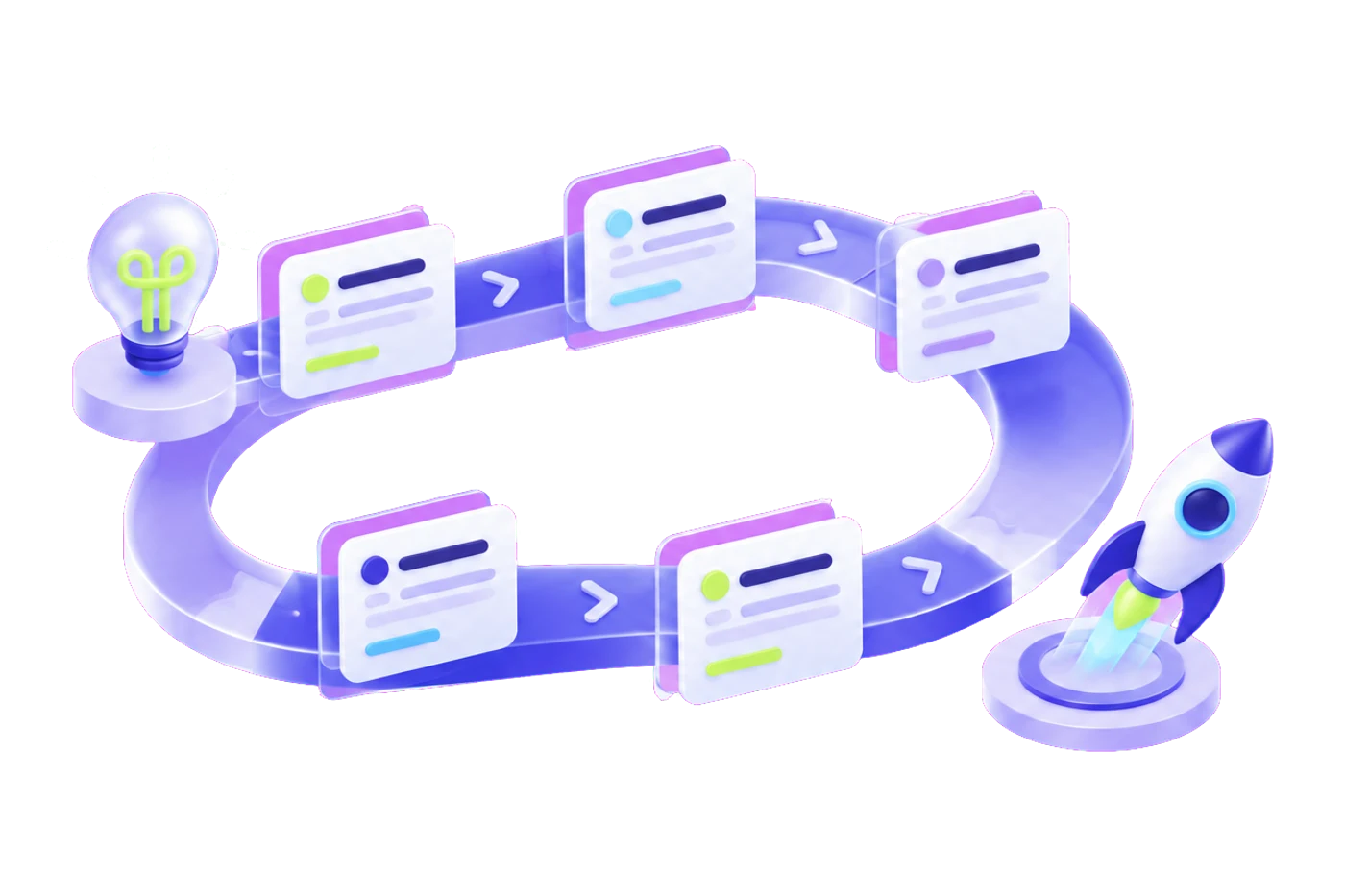
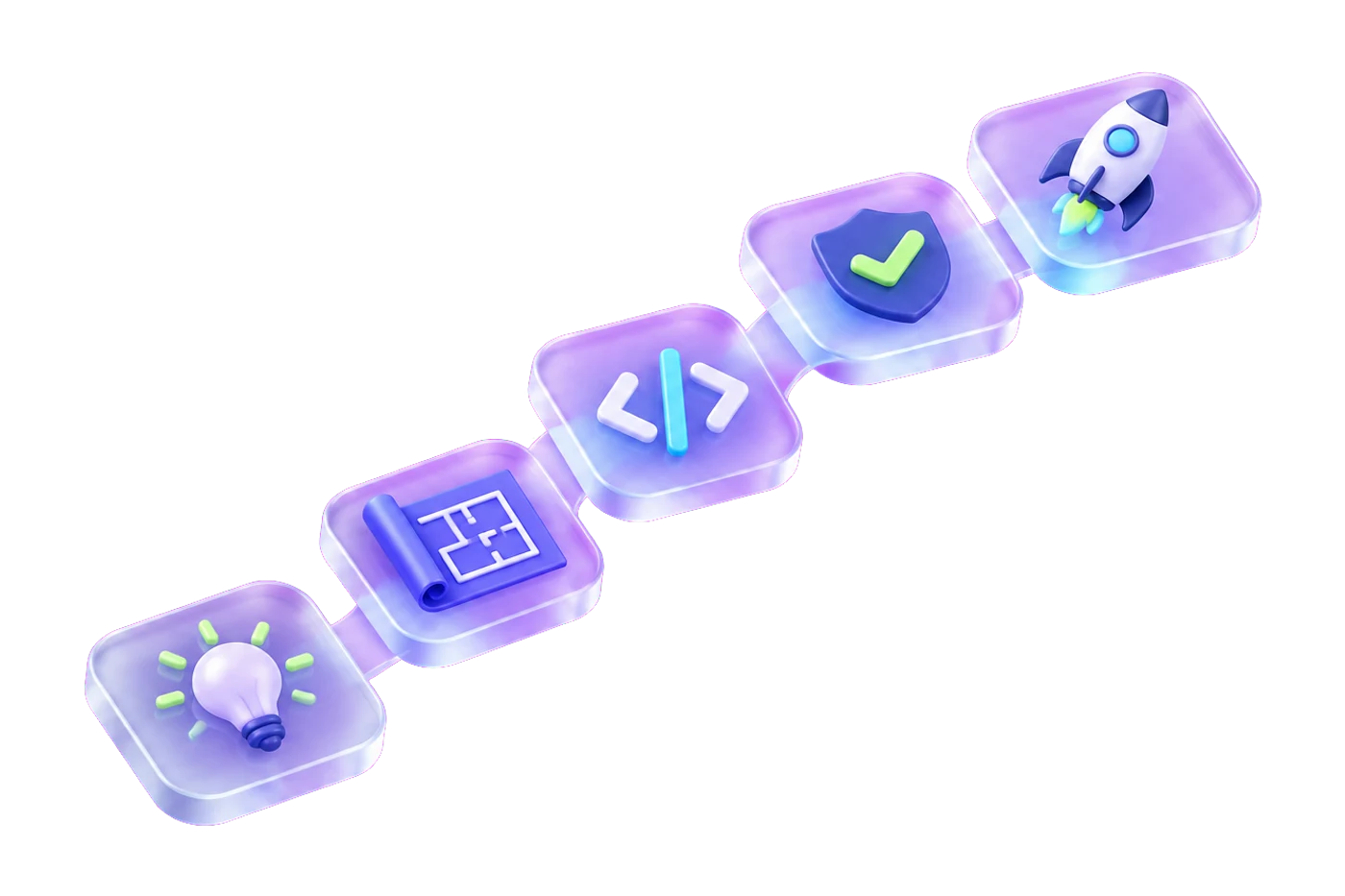
Our software development process gives founders, product owners and technology leads a project they can follow and control. We start with a written discovery scope, then move through design, development, QA and deployment, with a client review at the end of every sprint. The senior engineer who scopes your build also leads it. Send us your brief to begin.
We turn your idea into a written discovery scope. You walk us through users, workflow and existing systems, and we set out the risks, assumptions and a realistic first release.
You receive
Written discovery scope
Prioritised requirements list
Risks, assumptions and first-release boundaries
You approve the written scope and first-release boundaries
Design & plan
Our technical architect, who is accountable for system design and technology choices, works with the designers to map user journeys. You see the approach and acceptance criteria before any code is built.
You receive
User flows and interface direction
Architecture and integration decisions
Acceptance criteria and sprint plan
You sign off the design, architecture and sprint plan
Build & test
One cross-functional team builds in Agile sprints, with QA working alongside development. Progress is tracked in Jira and code is managed in Git, and each sprint ends with a client-facing review.
You receive
Working features, reviewed each sprint
QA checks on critical journeys
Jira-tracked scope and release decisions
You review working software at every sprint review
Launch & evolve
We deploy the release with a rollback plan, then hand over documentation and deployment access. You can then plan the next improvement cycle with your own team or with ours.
You receive
Deployment and rollback plan
Handover documentation and deployment access
Agreed support and improvement plan
You decide how the product is supported and improved next
Our sprint-by-sprint delivery rhythm
See progress every sprint, not at the end
Sprint planning
Before each sprint starts, you see release goals, dependencies and owners, so blockers surface while they are still cheap to fix.
Sprint reviews
At the end of every sprint, you review working software in a client-facing session with the team and decide what we build next.
QA against criteria
Our QA engineers test each feature against the acceptance criteria you approved, before it reaches your review.
Set up before sprint one
Settle how we work before the build starts
Area
What we agree with you
Communication
The communication window, meeting schedule and update cadence, plus who makes decisions on your side
Access
Git repositories, Jira boards and environment permissions for your team and ours
Quality
Acceptance criteria, the QA approach and what each sprint-end review will demonstrate to you
Handover
Documentation and deployment access at release, with IP assignment confirmed in your contract before the build begins
Buyer questions answered
Answers before you send a brief
How do we define the first step with Netofficials?
You define the first step in a discovery call about your workflow, product goal or team need. We then write a discovery scope for you to approve before design and development start. The call carries no contract or commitment, and we sign a mutual NDA before you share sensitive details.
How do you agree cost and timing?
We agree cost and timing after scoping, based on the work involved, your existing systems, integrations and the team required. Scope, assumptions, sprint review milestones and commercial terms are settled before delivery begins. We recommend the engagement model that fits after scoping.
Can Netofficials work alongside our in-house engineers?
Yes. We can fit around your engineering team, existing systems and Jira and Git setup. Responsibilities, update cadence and review points are agreed with your technical lead before work starts. Staff augmentation is an option if you mainly need extra engineers.
Send us your project brief and we'll sign a mutual NDA before you share sensitive details. A discovery call follows, with no contract required, and a written scope comes next so you can judge the plan before committing.