
Custom software development

Data engineering services for trusted, analytics-ready data

Netofficials' data engineering services give your teams trusted, analytics-ready data from pipelines, warehouses and integrations, so reporting and AI work stop depending on spreadsheets and disconnected systems. They suit B2B companies with scattered sources or a stalled warehouse project. Send a short brief and we start with a written discovery scope.

From your idea to a working planIllustrative delivery workspace
Engineer assembling a data platform from modular blocksBuilt around the way you work
Your first release

A scoped path from scattered sources to trusted data.

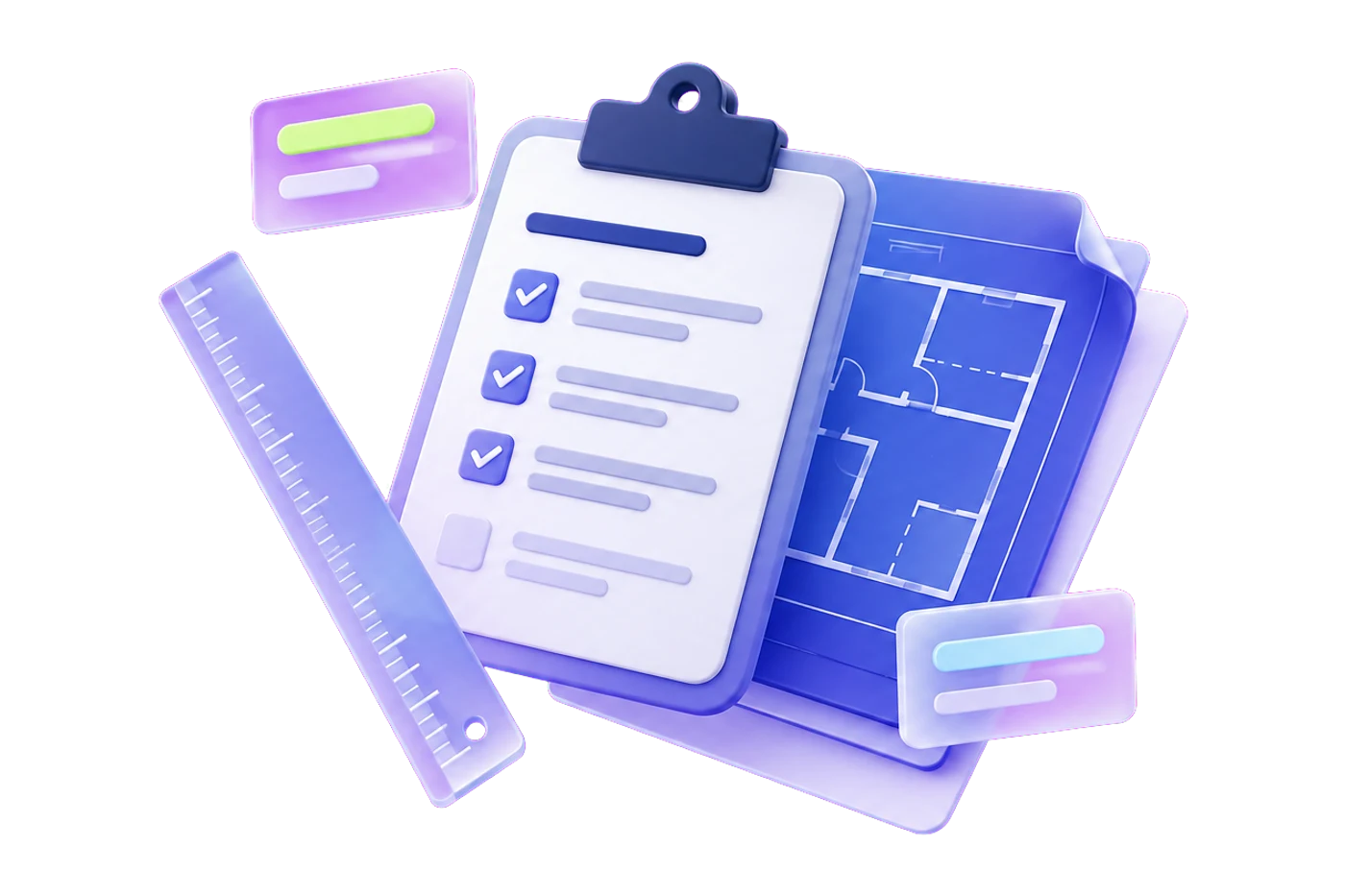
Netofficials data engineering services begin by mapping your sources, reports and data owners. We then build the pipelines and warehouse model your teams need first. Send us a brief and we will propose that first scope for you to review.

WorkstreamFocus
Sources & pipelinesIngest and integrate your key systems
Warehouse & modelsAnalytics-ready structures for reporting and AI
Quality & handoverData quality checks and a release plan
Design + engineering + QA

Showing an illustrative data foundation plan. Your actual scope is agreed during discovery.

Team
One cross-functional team covering back-end, QA and DevOps works on your data platform, delivered from India.
Contact
A single point of contact stays with your data project from the first call to go-live.
Ownership
IP assignment for your pipelines and code is confirmed in the contract before the build begins.
Reviews
A written discovery scope comes first, then a client-facing review at the end of every sprint.
What we deliver

Data foundations your reporting and AI can trust

Start with the data problem that costs you most. Netofficials scopes pipelines, warehouse and data quality work in a written discovery scope, so you see which sources, models and outputs will be built before development begins. If another approach suits you better, we will recommend it after scoping.

Not sure which service fits? Bring us the workflow, bottleneck or product idea.Find a starting point
Specialist mapping a data project roadmapA shared plan before the build
Start with your data

Scope your data work before anything is built

Your sources, reporting gaps and AI plans set the starting point. Netofficials maps which systems need to feed one analytics-ready foundation, which pipelines or warehouse pieces need to change, and what your first release should deliver. You get a written discovery scope to agree before any build begins, so cost and effort are not guessed later.

  • 01

    Map your sources and data consumers

    We list the systems your data comes from and the reports, dashboards or models that depend on it. That shows where figures disagree today and which gaps cost you the most.

  • 02

    Agree a first release worth shipping

    You see a prioritised list of pipelines, data models and quality checks, with dependencies and acceptance criteria. A narrow first release means your team can use trusted data early rather than wait for a full programme.

  • 03

    Review the scope and team together

    You and your single point of contact go through the written scope, assumptions and risks, then choose an engagement model. If another approach suits you better, we will recommend it after scoping.

See how delivery works
How we deliver

A written scope first. A reviewed result every sprint.

Your data engineering project moves from a written discovery scope through design, development, QA and deployment. You review the work at the end of every sprint, so you see how sources, pipelines and the warehouse are taking shape and can change priorities early instead of finding gaps at launch. One cross-functional team and one point of contact keep the decisions with you.

DiscoveryStage 01 / 04

Agree what to connect and why

Before anything is built, we put your sources, reporting needs and target outcomes into a written scope that your team and ours work from.

What you review
  • Source and data owner inventory
  • Prioritised reporting and analytics needs
  • Written scope with risks and assumptions

This is a sample framework for a data engineering project. Netofficials agrees the milestones and sprint plan with you during scoping, and recommends a different approach if one suits your data better.

Ready to scope your data engineering project?

Send a short brief on your data sources and the reporting or AI work they need to support, and we reply with questions, a written discovery scope and the team we would put on it.

Start my brief
Your data stack, chosen with you

The right stack for your data platform

Pipelines, warehouses and reporting each call for different tools. We choose them against your data sources, volumes, security needs and the team that will run the platform afterwards. Netofficials records the choice in the written discovery scope, so you approve the stack before any build starts. If a simpler or cheaper option fits better, we will recommend it after scoping.

Showing the frontend tools that put your data in front of people.

React for data dashboards

Build interactive dashboards and internal data tools on top of your warehouse, so teams explore trusted figures themselves instead of requesting exports.

Explore

Next.js for data portals

Deliver analytics to customers or partners through fast, server-rendered web portals, with access rules matched to who may see which data.

Explore

Angular for reporting apps

Use Angular for large, structured reporting and admin applications that several teams will maintain over time, with consistent patterns across screens.

Explore

Vue.js for lightweight analytics

Add focused charts, filters and data-entry screens to an existing product without a heavy rebuild, using Vue.js where a lean frontend is enough.

Explore

Node.js for data APIs

Node.js builds the ingestion APIs and event-driven services that move data from your applications into the pipeline.

Explore

Python for pipelines

Python handles transformation, orchestration and data-quality checks, so raw source data becomes analytics-ready tables your teams can trust.

Explore

.NET for Microsoft estates

.NET connects pipelines to the SQL Server and line-of-business systems already running in your Microsoft environment.

Explore

Java for enterprise data

Java suits high-volume batch and streaming services, and integrates with existing Java platforms and the data tools built on the JVM.

Explore

Go for fast ingestion

Go builds lightweight, concurrent ingestion services and data tooling where throughput and low resource use matter.

Explore

PostgreSQL for structured data

PostgreSQL stores transactional and modelled data reliably, and often suits a smaller warehouse or reporting layer.

Explore

MongoDB for flexible sources

Land semi-structured documents and event data in MongoDB, then model them into clean tables your analysts can query without reworking every source.

Explore

GraphQL data access

Give applications and dashboards one typed API over curated data, so teams stop querying the warehouse directly.

Explore

AWS data platform

Run storage, pipelines and warehousing on AWS when your workloads, security rules and cloud contracts already sit there.

Explore

Azure data platform

Build on Azure when your organisation standardises on Microsoft services, identity and governance.

Explore

Docker for pipelines

Package pipeline code in containers so development, testing and production behave the same way and releases carry less risk.

Explore

Playwright report checks

Automate browser tests on dashboards and data applications, so a pipeline change does not quietly break what your teams see.

Explore

Tooling follows the written discovery scope. Your sources, security needs, existing cloud and the people who will run the pipelines decide the stack. If a simpler approach fits better, Netofficials will say so after scoping.

Data for your sector

Data engineering shaped by how your industry reports

Explore all industries

Healthcare: connected clinical and operational data

We bring scheduling, records, billing and patient-portal data into one governed data warehouse, so reporting no longer depends on manual exports. Who can see what, and how identifiable data is handled, is settled in the written discovery scope before anything is built.

Fintech: reconciled, reportable financial data

We build pipelines that pull transactions, ledger and payment-provider data into one model. Validation checks flag mismatches before they reach a report. You receive a clear path from source to dashboard, with the transformation logic documented and handed over.

Education: one view of learners and outcomes

We combine learning-platform, enrolment and administration data, so staff can see engagement and progress without stitching spreadsheets together. The build works with the systems you already run, and refresh timing is agreed with you during scoping.

Retail & eCommerce: sales, stock and customers joined up

We join storefront, inventory, fulfilment and marketing data into one analytics-ready model, so trading, stock and customer reports agree. Netofficials sizes the pipelines to your order volumes and to how fresh your team needs the data, rather than defaulting to real-time.

Logistics: operational data that keeps pace with dispatch

We bring dispatch, tracking, telematics and carrier data into one pipeline. Streaming covers decisions that are time-critical, and scheduled batch loads cover the rest. You get dependable delivery and cost reporting without chasing each system for its numbers.

Real estate: listings, leads and portfolio data aligned

Bring listing feeds, property records and CRM activity into one analytics-ready model, so your teams report from the same numbers instead of reconciling spreadsheets.

Ways to work together

Three ways to engage a data engineering team

Pick the model that matches how defined your data work is. Netofficials offers fixed-price project delivery, a dedicated India-based development team and staff augmentation. Source count, pipeline complexity and team size shape the budget, so we confirm the model and the assumptions behind it in a written discovery scope before the build starts.

Best for
A clear outcome

Fixed-price data project

Choose this when the outcome is clear, such as consolidating scattered sources into one warehouse or replacing unreliable reporting feeds. We take it from written discovery scope through design, development, QA and deployment, so you know what you are buying before work begins.

  • Written discovery scope before the build
  • One cross-functional team and one point of contact
  • Client-facing review at the end of every sprint
Discuss your project
Best for
A skill gap to fill

Staff augmentation for data skills

Choose this when your own data team needs extra pipeline, warehouse or QA capacity. Our engineers join your sprints and tooling while you keep ownership of the architecture. If scoping shows another model suits you better, we will recommend it.

  • Data engineers and QA specialists added to fill gaps in your data stack
  • Work inside your repositories, ticketing and sprint rhythm
  • Your team keeps the data roadmap and architecture decisions
Explore team extension

Scope, team size and delivery model shape your budget. Explore pricing options

Data engineering FAQs

Data engineering questions, answered before you enquire

You get straight answers on what data engineering services cost, how long they take, who owns the pipelines and how you stay in control. If your situation needs a different approach, we say so after scoping.

What do your data engineering services cover?

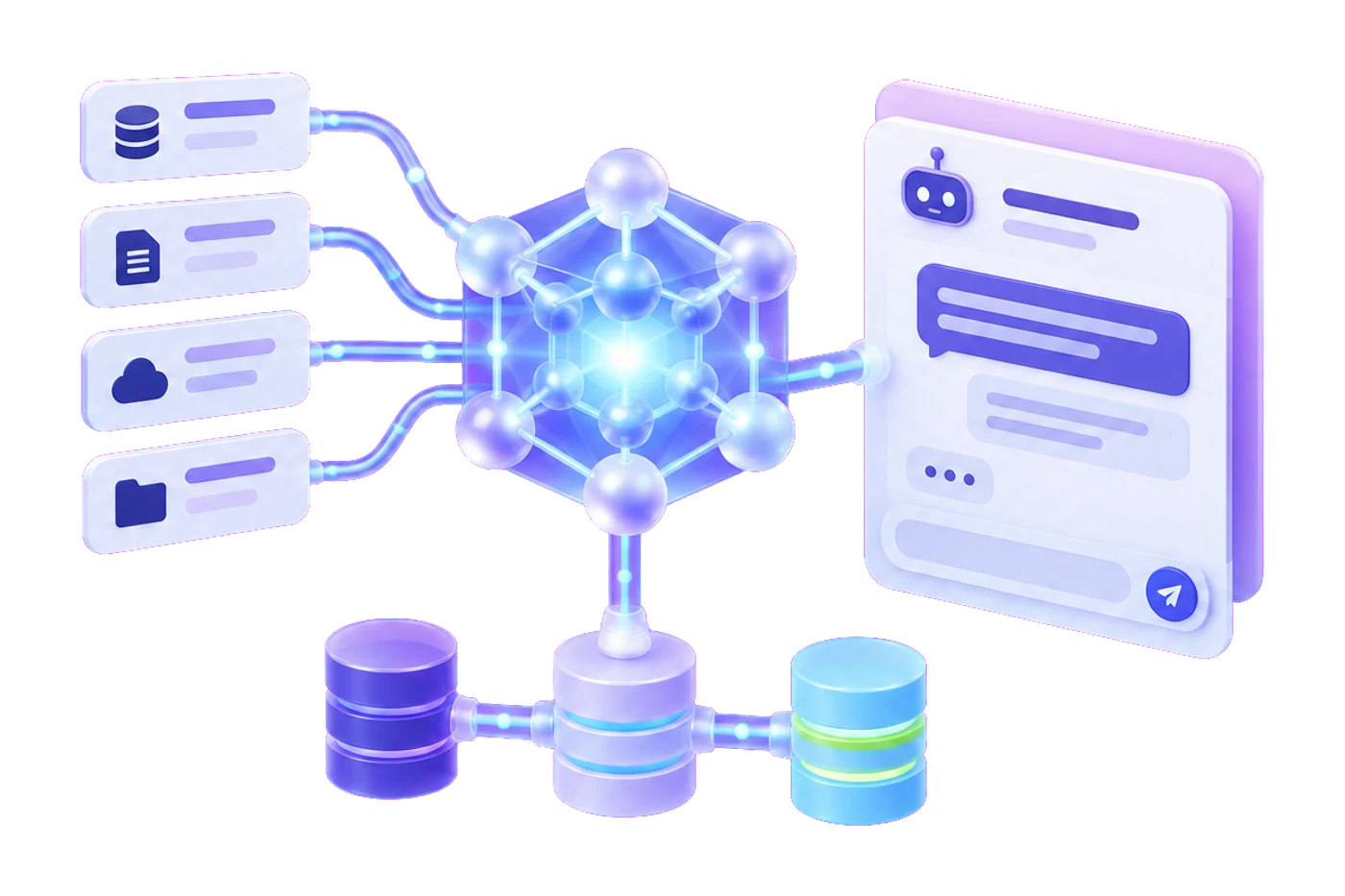
Netofficials data engineering services cover the work that makes your data trustworthy and ready to use: pipelines that move data from your source systems, warehouses or lakehouses that store it, integration and data quality checks, and the analytics-ready layer behind reporting and AI. A single cross-functional team covers back-end, QA and DevOps work, with one point of contact. The first step is a written discovery scope that sets out which of these your project needs.

Do you offer data warehouse consulting, or only build work?

We do both. Data warehouse consulting at Netofficials means reviewing your sources, reporting needs and any stalled warehouse project, then recommending an architecture before anything is built. If a warehouse is not the right answer for your situation, we will recommend a different approach after scoping. When you want us to build, the same team carries the agreed design through development, QA and deployment.

How much will a data engineering project cost?

We do not quote figures without a scope, because the price follows what you need built. The main drivers are the number and condition of your data sources, the complexity of transformations and data quality rules, the volume and freshness you require, and the team size and engagement model you choose. We offer fixed-price project delivery, a dedicated India-based team or staff augmentation. Send a short brief and we will reply with questions and a proposed scope.

Who owns the pipelines and code we pay for?

You do. IP assignment is confirmed in the contract before the build begins, so ownership of the pipelines, transformation code and models we build for you is settled up front rather than negotiated at handover. Netofficials also hands over documentation as part of release, so your own team or another partner can run and extend the work. Ask for the contract terms during scoping if your legal team wants to review them early.

How long will it take, and how do we stay in control?

Timeline depends on how many sources you connect, how much transformation and data quality work they need and how many reviews your team requires, so we set it in the written discovery scope rather than guessing here. Larger programmes can be split into smaller releases, so useful data reaches your teams early. You stay in control through a client-facing review at the end of every sprint, with one point of contact between your team and ours.

Who owns the pipelines and code, and how do we stay in control of the project?

You own the pipelines, transformation code and data models Netofficials builds for you: IP assignment is confirmed in the contract before the build begins, so ownership is settled before any engineering starts. You also stay in control through the delivery process. Every data engineering project starts with a written discovery scope covering your sources, targets and priorities. Work then moves through design, development, QA and deployment, with a client-facing review at the end of every sprint. One point of contact coordinates a single cross-functional team throughout, so you always know who to ask. If you want to see this applied to your data estate, send a short brief and we will start with the scope.

Something else on your mind?Let's talk it through
Start your data brief

Send a brief. Get a scoped data plan.

Tell us which sources, reports or AI plans depend on better data. We reply with questions and a written discovery scope covering pipelines, warehouse or lakehouse needs and data quality, before anything is built. One point of contact stays with you, and if a different approach suits you better, we will recommend it after scoping.

Let's talk about your idea

No detailed brief needed. A list of your data sources is enough.

Have a software project?
Let's find your next step.
Talk to us